
How to Save Money on Groceries Every Month
Smart Ways to Lower Your Grocery Bill
Groceries are one of the largest and most frustrating household expenses — not because people are careless, but because food costs rise quietly and consistently over time.
Higher prices, shrinking package sizes, impulse purchases, and busy schedules make it easy to overspend without noticing. Small weekly habits can quietly add up to hundreds — even thousands — of dollars per year.
The good news is that saving money on groceries doesn’t require extreme couponing or sacrificing the foods you enjoy. Most savings come from a handful of practical changes: planning ahead, understanding pricing strategies, using the right tools, and reducing waste at home.
This page outlines the most common grocery spending traps and how to avoid them in realistic, sustainable ways.
If groceries are one of your biggest monthly expenses, even small improvements here can make a noticeable difference over time.
Related Guides
This article explores the most common ways households overspend on groceries. For a broader breakdown of hidden money leaks across housing, transportation, bills, and everyday spending, download the free Ways to Save Money guide.
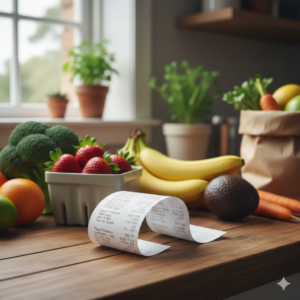 Why Groceries Feel More Expensive Than Ever
Many households feel grocery costs increasing every year, even when buying the same items. Inflation, transportation costs, seasonal pricing, and supply chain issues all play a role.
Beyond price increases, everyday spending habits also contribute to higher grocery bills. Small decisions made weekly — where you shop, how you plan meals, and what goes unused — can quietly add hundreds of dollars to annual food costs.
Shopping Without a Plan Is One of the Biggest Cost Drivers
Grocery shopping without a basic plan often leads to impulse purchases and duplicate items. When meals aren’t thought through ahead of time, it’s easy to buy ingredients that don’t get used or rely on last-minute convenience foods that cost more.
Planning does not need to be strict or time-consuming. Even a loose idea of upcoming meals helps reduce unnecessary spending and food waste.
Why Store Choice Matters More Than You Think
Different grocery stores price items differently. Some focus on low prices for staple foods, while others prioritize convenience or brand selection.
Shopping at the same store out of habit can result in consistently overpaying. Comparing prices occasionally helps identify better value options without changing what you eat.
Food Waste Is a Hidden Grocery Expense
Food that goes unused is money already spent. Produce that spoils, forgotten leftovers, and expired items are among the most common grocery money leaks.
Buying realistic quantities, storing food properly, and using leftovers intentionally can significantly reduce unnecessary spending.
Sales, Coupons, and Bulk Buying — Use Them Carefully
Sales and discounts can help lower grocery costs, but only when they align with what you actually use. Buying items just because they are on sale often leads to waste.
Bulk buying works best for frequently used items with long shelf lives. Without a plan, bulk purchases can increase waste rather than reduce costs.
Simple Grocery Habits That Save Money Over Time
- Check what you already have before shopping
- Plan meals loosely instead of rigidly
- Compare stores occasionally instead of shopping on autopilot
- Reduce food waste by using leftovers and freezing extras
Final Thoughts
Saving money on groceries is less about cutting back and more about awareness. When you shop with intention and reduce waste, grocery spending becomes easier to manage.
Over time, these changes can free up more money than most people expect. For a broader look at hidden money leaks across groceries, housing, monthly bills, transportation, and everyday spending, download the free Ways to Save Money guide.